What is plywood?
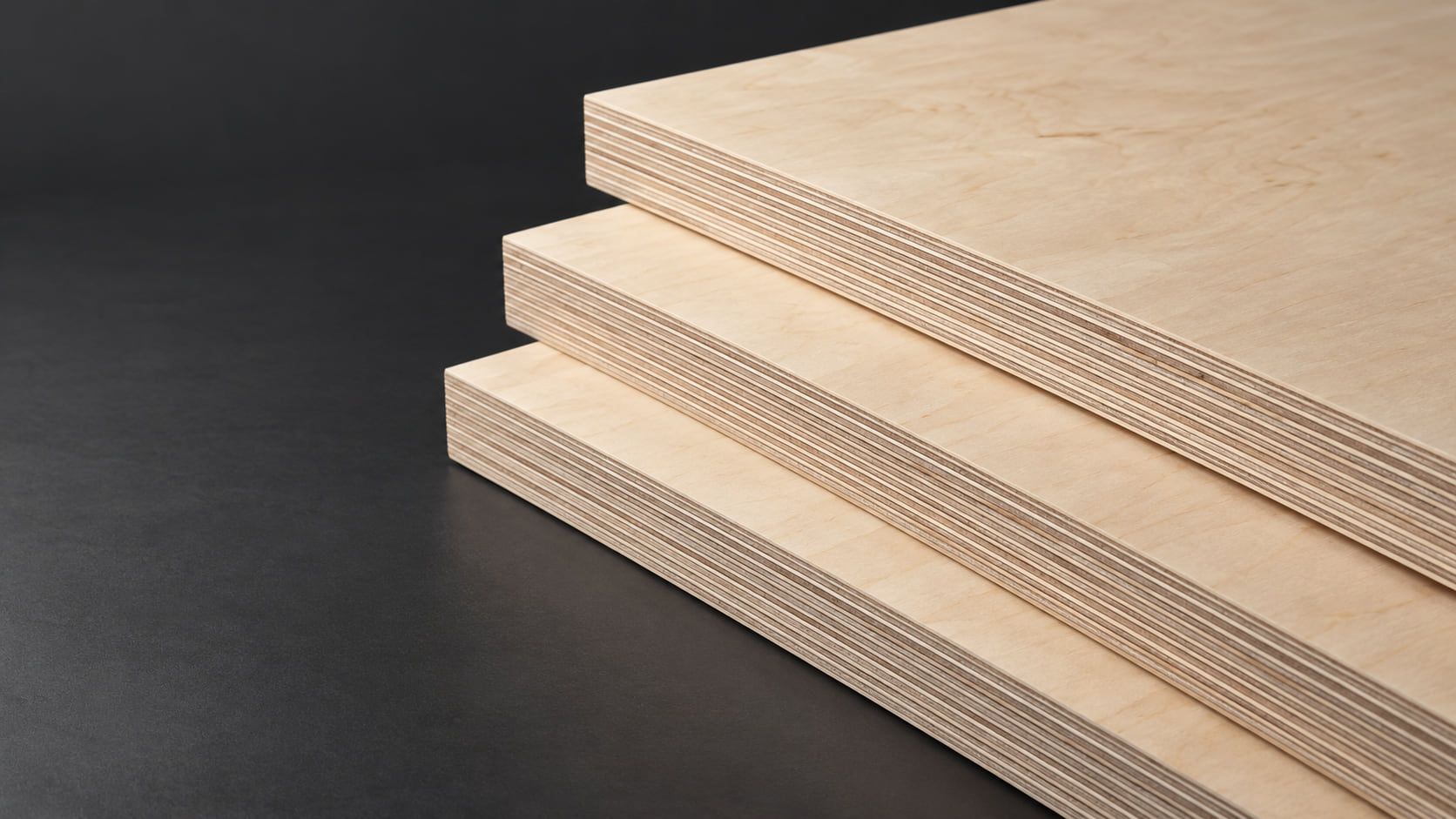
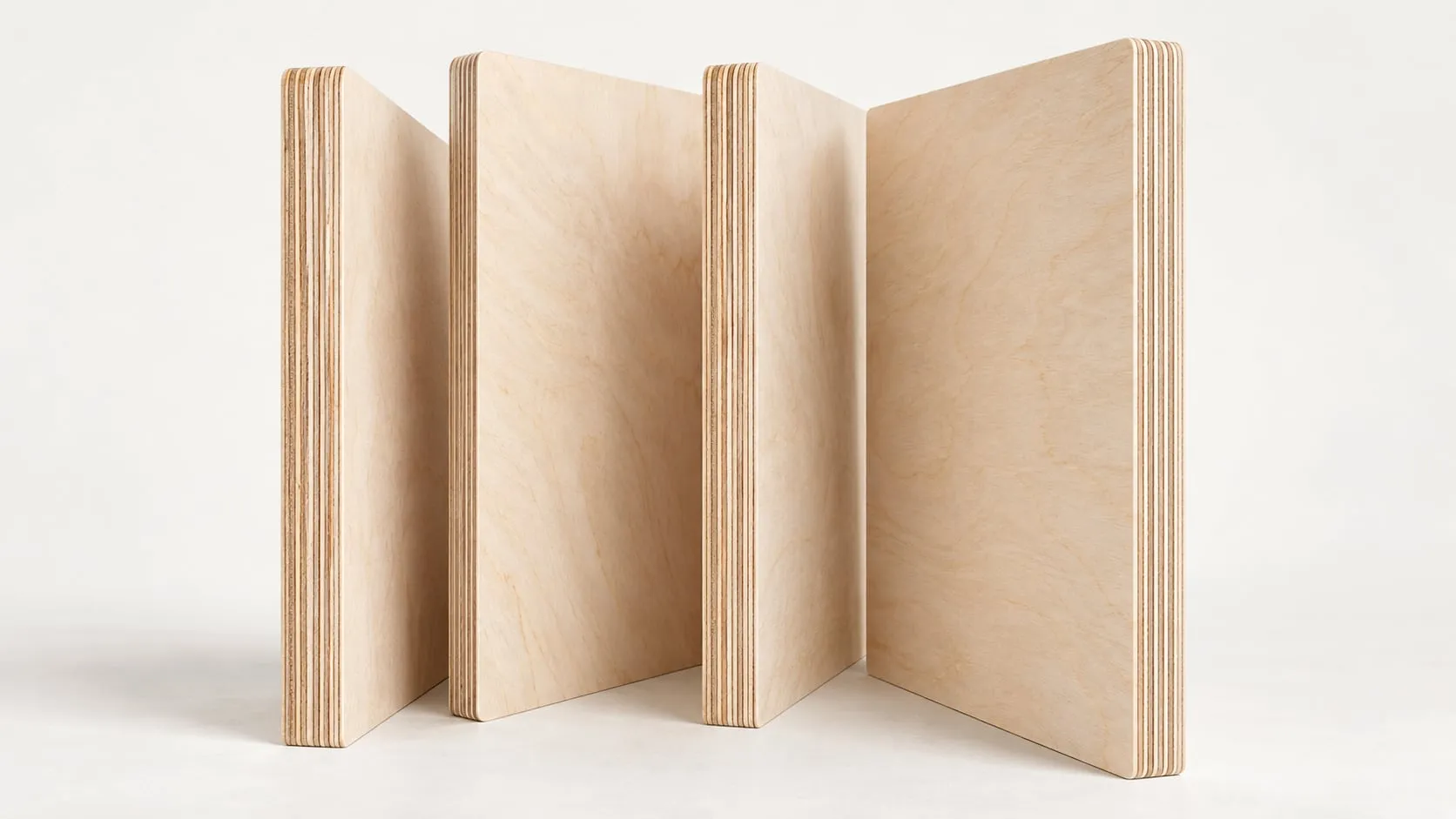
Plywood is a panel made by gluing and pressing thin wood veneers on top of each other with the grain of each layer at right angles to the next. This cross-lamination gives plywood better dimensional stability than solid wood of the same thickness, less movement and balanced strength in every direction.
Plywood is usually made with an odd number of plies (3, 5, 7, 9, 11, 13…) so that both sides of the core are symmetrical and the panel stays flat. It is widely used as formwork in construction, as flooring in vehicles, and in furniture, marine and packaging applications.
How is plywood made?
At our factory, plywood is produced in these steps:
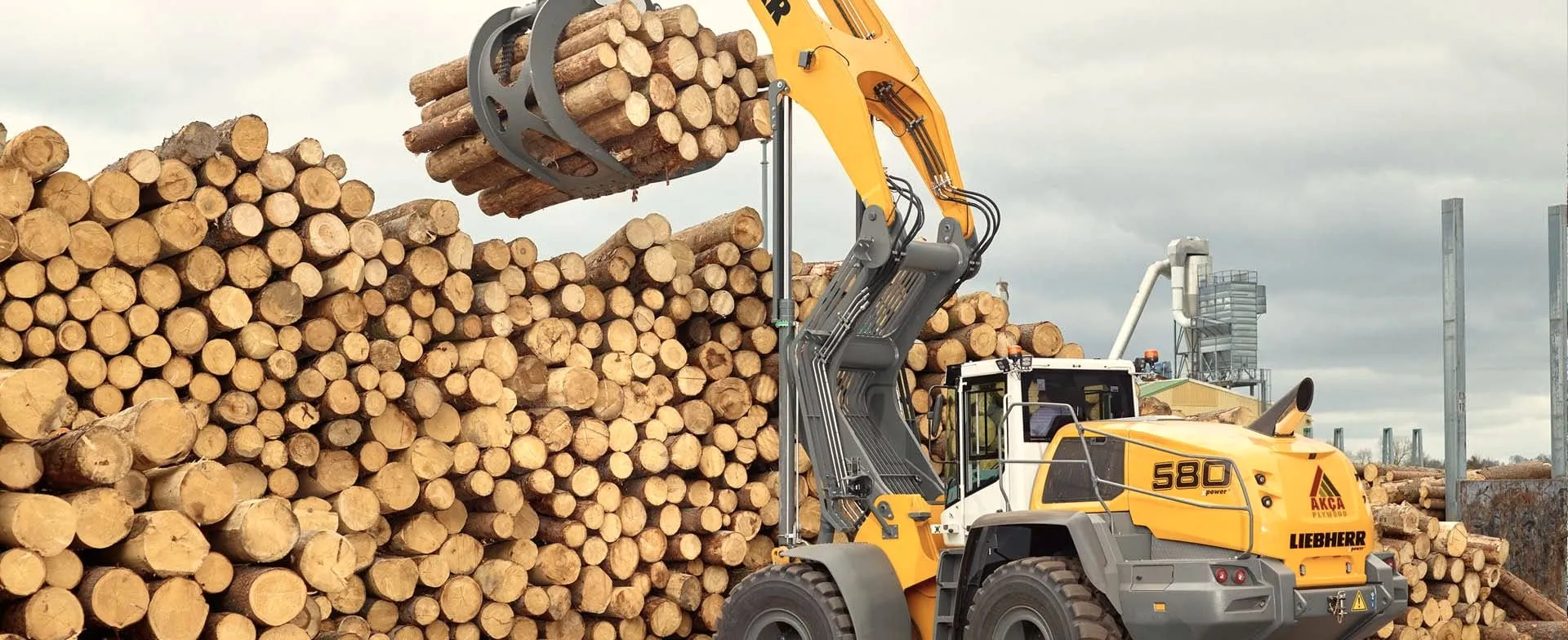
- Peeling: logs are rotated against a knife to produce thin veneer sheets.
- Drying: veneers are dried to the right moisture content for gluing.
- Gluing: veneers are glued and laid up with the grain at right angles.
- Pressing: the lay-up is bonded into a single panel under heat and pressure.
- Film facing and finishing: phenolic film is applied where required, panels are trimmed and edges sealed.
Types of plywood
Plywood is classified by species, surface and end use:
- Film faced (formwork) plywood: phenolic film face, for concrete formwork.
- Birch plywood: dense, multi-ply and strong, for formwork, furniture and vehicle floors.
- Pine plywood: light and economical, for formwork and general construction.
- Marine plywood: water-resistant glue and quality veneers, for boats and humid environments.
- Anti-slip (wiremesh, hexa) plywood: patterned face, for truck, trailer and ramp floors.
- Insulated plywood: sound and vibration damping, for bus and special vehicle floors.
Glue classes: WBP vs MR
Glue is the main factor in plywood’s water resistance. WBP (weather and boil proof) glue is usually phenol-formaldehyde based and suitable for exterior and wet conditions. MR (moisture resistant) glue is designed for humid interior conditions and is not recommended where the panel is constantly exposed to water.
European standard EN 314-2 defines three bonding classes: class 1 for dry interior use, class 2 for humid or covered exterior use, and class 3 for exterior use. WBP (phenolic) glue is preferred for film faced formwork plywood and marine plywood.
Face grades (B, BB, CP, C)
Face and back veneers are graded by knots, colour variation and repairs. B is the cleanest face; BB may contain small repairs and patches; CP is suitable for painting or overlaying; C is for structural use where appearance does not matter. The face/back combination is written as B/BB, BB/CP and so on.
Face repairs and sanding options
On natural veneer (unfilmed) plywood, knots and open defects are repaired according to the grade. In BB grade we repair the face with butterfly-shaped veneer patches that follow the grain for a clean surface. On request we can also supply a putty-filled face, which is preferred for panels that will be painted or overlaid.
Unfilmed plywood can be sanded to 60, 120 or 220 grit depending on the smoothness you need. 60 grit prepares the surface for further processing, 120 grit gives a smooth general-purpose finish and 220 grit provides the finest surface for varnish, paint and decorative work.
Our standards and certificates
Our production is backed by international standards and independent certification:
- EN 636: the European product standard for plywood in dry (EN 636-1), humid (EN 636-2) and exterior (EN 636-3) conditions.
- CARB Phase 2 (ULEF): California Air Resources Board formaldehyde emission limits; ULEF refers to ultra-low emitting formaldehyde resins.
- FSC®: certification that wood comes from responsibly managed forests and is traceable through the supply chain.
- ISO 9001: quality management system.
- RINA: certification by the international classification and certification body RINA.
How to choose the right plywood
Answering these five questions before ordering will help you get the right product:
- Where will it be used? (formwork, flooring, furniture, boats, lining)
- Will it be exposed to water or moisture? (WBP / MR glue)
- How much load will it carry? (thickness and species)
- Will the surface be visible? (face grade, film or natural veneer)
- What size and quantity? (standard or custom size)
Frequently asked questions
01Is plywood waterproof?
It depends on the glue. Plywood with WBP (phenolic) glue and marine plywood are weather and boil proof; MR glue plywood only resists interior humidity. Always use WBP plywood outdoors.
02What is the difference between plywood, MDF and particleboard?
Plywood is made of veneer layers that keep the wood grain intact, so it is lighter, stronger and holds screws better than MDF or particleboard of the same thickness. MDF and particleboard are made by pressing wood fibres or chips.
03Which wood species are used to make plywood?
At our factory we use domestic beech, pine and poplar together with imported birch, okoume, ozigo, tetra and eyong. The species determines the density, strength and appearance of the plywood.
04Is Turkish plywood good quality?
Turkey has an established plywood industry supplying construction, automotive and furniture markets at home and abroad. Akça Plywood has been in the timber industry since 1976 and manufacturing plywood since 1998; request our catalogue or a sample to evaluate our products.
05Which certificates do you hold?
We hold FSC®, CARB Phase 2 (ULEF), EN 636, ISO 9001 and RINA certificates. Please state any certified-product requirements in your quote request.
06Can you supply sanded plywood?
Yes. Unfilmed plywood can be sanded to 60, 120 or 220 grit on request. We use butterfly patches in BB grade and can supply a putty-filled face if required.